

«... إنّ قساوةً قد أصابت جزءًا من إسرائيل إلى أن يدخل ملء الأمم. وهكذا سيخلص جميع إسرائيل... فمن جهة الإنجيل هم أعداء من أجلكم، وأما من جهة الاختيار فهم أحباء من أجل الآباء. فإنّ هبات الله ودعوته لا رجوع عنها». (رومية 11:25–29)
مقالات تتناول العلاقة اللاهوتية بين إسرائيل والكنيسة، وفهم الكنيسة لأمانة الله لعهده، ودور إسرائيل في مسيرة تحقّق تدبير الخلاص.
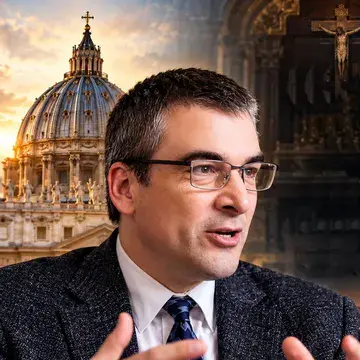
هل تعارض الكنيسة الكاثوليكية الصهيونية حقًا؟ وماذا يقول التعليم الكاثوليكي عن عهد الله الدائم مع الشعب اليهودي وعن صلته بأرض أجداده؟ في هذا الحوار الموسّع مع دورون كيدار، يناقش الدكتور أندريه فيلنوف تصورات خاطئة شائعة عن تعليم الكنيسة بشأن إسرائيل، ويستكشف الأسس الكتابية لاستعادة إسرائيل وعودة شعبها إلى أرضه، ويشرح لماذا تظل الوعود القديمة ذات أهمية للمسيحيين اليوم.
 تُعدّ العلاقة بين إسرائيل في الكتاب المقدس ودولة إسرائيل الحديثة من أكثر المسائل إثارةً للنقاش في اللاهوت المسيحي المعاصر. ويسعى كثير من المسيحيين إلى فهم صلة إسرائيل اليوم بإسرائيل التي نقرأ عنها في صفحات الكتاب المقدس. يبحث هذا المقال هذه العلاقة وما يترتّب عليها من نتائج بشأن الطريقة التي ينبغي للمسيحيين أن ينظروا بها إلى إسرائيل في العصر الحاضر.
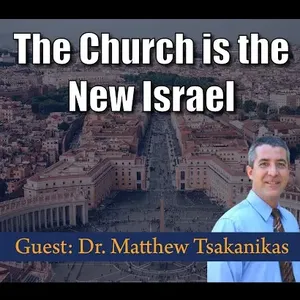 A recent Crisis Magazine interview on Israel and Zionism with Christendom College Professor Matthew Tsakanikas contains numerous theological and factual errors — from misreading Paul to misrepresenting Catholic tradition. CAMERA's David Orenstein responds with careful, well-sourced corrections drawn from Scripture, Church documents, and leading Catholic scholars. Essential reading for Catholics seeking clarity on what the Church truly teaches about God's covenant with the Jewish people.
 When Netanyahu declared that Jesus Christ holds "no advantage" over Genghis Khan, Catholic media erupted — but did they miss the point entirely? Dominican theologian Fr. Antoine Levy argues that the outrage reveals something far more troubling than a misread quote: a double standard rooted in centuries-old antisemitism, now cloaked as anti-Zionism.
 Matt Fradd recently claimed that Catholic teaching clearly condemns Christian Zionism — and packaged that claim as a "catechism." But in doing so he committed a basic error: presenting a contested theological opinion as settled Church teaching. This point-by-point refutation exposes the loaded questions, false dilemmas, selective citations, and supersessionist assumptions that run through his argument.
 Matt Fradd claims to lay out "the Catholic position" on Christian Zionism. The problem? He gets it wrong. The Church does not teach what he says it teaches. Church Fathers, papal preachers, Benedict XVI, John Paul II, even a key editor of the Catechism all contradict him. Here's the evidence.
 When Carrie Prejean Boller declared that 'Catholics do not embrace Zionism,' she was voicing a position that 'Catholics for Catholics' has since given theological muscle — and that is spreading rapidly on social media. In this article and video, André Villeneuve offers ten reasons why neither Prejean Boller nor CfC speak for Catholics on Zionism, Israel, and God's irrevocable covenant with the Jewish people.
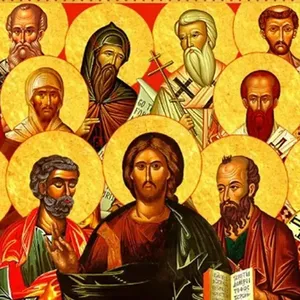 The Church Fathers are often remembered for their hostility toward Judaism. What is less well known is that nearly all of them also expected the Jewish people to be restored — returned not only to faith but, in the expectation of some, to their ancestral land. This article traces that overlooked tradition across more than a millennium of Christian thought.
 The Catholic Church recognizes Israel under international law. But does God? Antoine Lévy, OP, takes a deceptively simple question and follows it into the contested terrain where Catholic doctrine, Jewish theology, and two thousand years of supersessionism collide.
 At a recent congressional hearing on antisemitism, Carrie Prejean Boller declared that “Catholics do not embrace Zionism,” a line soon echoed by a statement from “Catholics for Catholics” claiming to explain “the Catholic view on Zionism and the 1948 State of Israel.” Neither Prejean Boller nor “Catholics for Catholics” speaks for the Church on this question. Here’s why.
 Has God rejected his people? Supersessionists claim that God's promises to Israel were "fulfilled" — and therefore abolished — by the coming of Christ. The New Testament itself tells a different story. Here is a compilation of NT verses affirming that God's covenant with Israel remains intact.
